
Cultural Indicator Suite
Scoping research led by the Centre for Cultural Value resulted in the development of the Cultural Indicator Suite, a framework of seven interconnected dimensions aligned with policy areas and reflecting the holistic and place-based nature of cultural vitality.
Live at Leeds. University of Leeds.
With support from Research England, the Centre for Cultural Value led a national research project to develop the Cultural Indicator Suite, a practical framework for measuring and communicating the everyday cultural vitality of the places we live.
This research responds to growing demand across the UK cultural sector for stronger evidence of cultural value and impact beyond economic growth.
The project included a review of recent UK and international research on cultural vitality and interviews with representatives from Local Authorities across urban, rural and coastal regions. The resulting interim report lays out a practice-relevant vision for how the UK cultural sector can more effectively understand, measure and support cultural vitality.
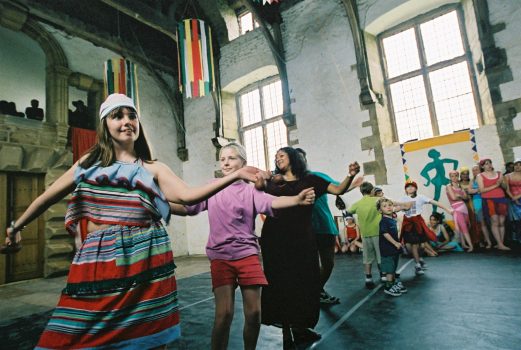
Junction Arts, Bolsover Children’s Festival
What are the key insights?
The interim report highlights several important findings for cultural policy, research and practice:
- Traditional cultural indicators have overemphasised ‘high culture’ and formal participation, underrepresenting informal, local and community-driven cultural life.
- Cultural vitality should be understood ecologically, not in siloes – recognising the interactions between cultural institutions, community spaces, policy contexts, infrastructure and everyday creativity.
- ‘Resilience’ is an outcome of culturally vital communities. The seven dimensions of cultural vitality outlined in the Cultural Indicator Suite provide a structured way to explore and evidence this relationship.
- There is an urgent need to develop rural cultural vitality measures, address diversity and access gaps and understand the cultural sector’s contributions beyond economic growth, including wellbeing and belonging.
These insights strengthen the case for more inclusive and place-centred approaches to measuring cultural value in the UK.
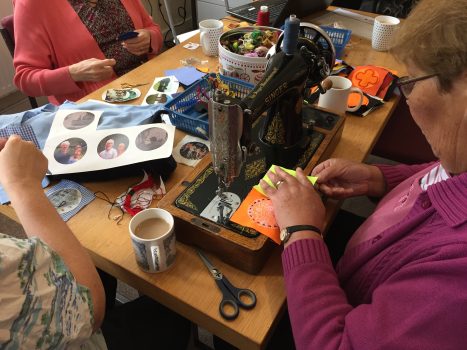
Junction Arts. Banter and Banner
What are the seven indicators of cultural vitality?
The Cultural Indicator Suite captures the interconnected dimensions of cultural vitality at place level. Together, these indicators provide a framework for measuring and communicating the holistic, everyday cultural vitality of places, emphasising the impact of culture across social, civic, economic and wellbeing outcomes.
The seven indicators are:
- Cultural participation and engagement
- Cultural infrastructure and accessibility
- Cultural diversity and inclusivity
- Creative economy and employment
- Social and civic engagement
- Cultural policy and investment
- Wellbeing and quality of life
Stephen Dobson explains more about the seven indicators in this video from Policy Leeds.