Cultural Vitality Labs: Placing participatory research and co-production at the heart of cultural evidence
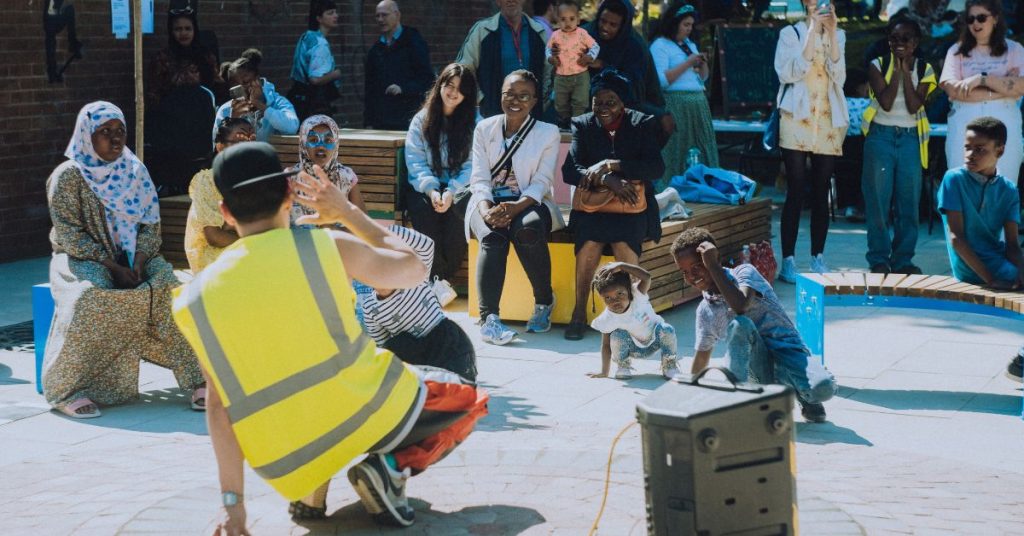
The Centre for Cultural Value launches Cultural Vitality Labs, a new participatory research programme working with three partners to explore how cultural vitality can be understood, evidenced and used in local decision-making.
Supported by Research England, the programme brings together local authorities, community networks and cultural organisations to develop approaches for understanding cultural vitality rooted in local experience and priorities.
Telling the whole story of a place
Across the cultural sector and local government, there is growing recognition that existing data does not always capture how people experience and value culture in their everyday lives. Cultural Vitality Labs responds to this by putting participatory research and co-production at the core of cultural evidence practice.
Rather than starting with predefined indicators, the programme will start from local knowledge and lived experience, allowing evidence to emerge from the realities of place. The Labs will create practical, locally meaningful ways to understand a place’s cultural vitality, including recognising informal cultural activity and exploring how culture connects to wellbeing, belonging, community resilience and civic life.
Working with local partners
We will be working with local authority, cultural sector and community partners in three local areas:
- Norwich
- London Borough of Hammersmith and Fulham
- West Yorkshire
The Cultural Vitality Labs will create space for collaboration between local authorities, cultural organisations and communities. Partners will work together to explore what cultural vitality looks like in their area, what kinds of evidence matter to local people and decision-makers and how participatory approaches can surface perspectives often missed by traditional data collection.
While each Lab will be shaped by its local context, all share a commitment to co-production, collective reflection and practical learning. Activities will include mapping local cultural ecologies, co-designing indicators that reflect everyday cultural life and testing creative and participatory research methods. This process will support reflection on how cultural evidence is gathered, interpreted and used, and how it might better support inclusive, place-based decision-making.
Shared learning
Alongside place-specific insights, the programme is designed to generate shared learning, supporting cultural practitioners across the sector to articulate the value of their work in ways that resonate locally, while helping policymakers access richer, more meaningful evidence to inform planning and investment.
Through this programme, the Centre aims to contribute to broader conversations about cultural data and evidence in the UK, offering practical, place-based approaches to understanding what culture means to people and places, and helping shape future national strategy, including the development of the National Cultural Data Observatory.
Want to discover more about cultural vitality and placemaking? Take a look at these resources:
Understanding and measuring cultural vitality in the UK
Developing a cultural indicator suite: Interim report
Research digest: Understanding cultural vitality
Research digest: Culture and placemaking
In Arts Professional: Indicators of cultural vitality: Hope not harm
Image credit: Mafwa Theatre. Flourish. Photo by Tribe Four Films.
Related news
Building the next chapter
Empowering Youth Researchers: how handing over the research reins reveals fresh perspectives and deeper insights
Rethinking Audience Spectrum through a cultural vitality lens

Junction Arts: Fifty years of creative placemaking

Working internationally with The Arts Impact Partnership